Skip to content

Aquariumia

  • Home
  • BLOG
  • Fish Tank
  • Fish Species
Search
Aquariumia
  • Can Goldfish Eat Cichlid Food?
    BLOG

    Can Goldfish Eat Cichlid Food?

    ByAquariumia

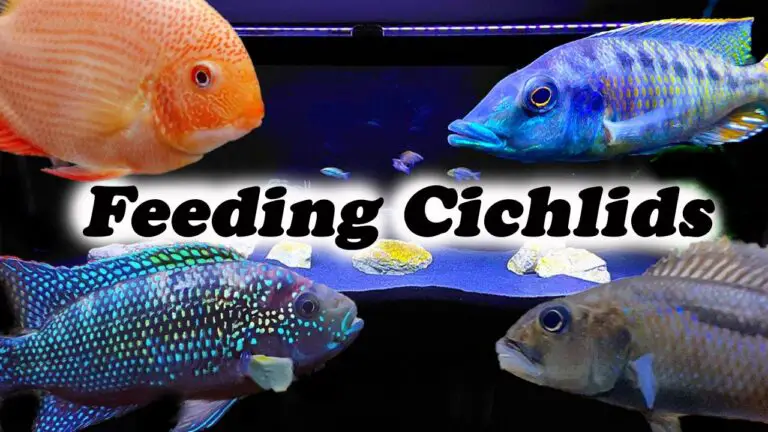
    No, goldfish cannot eat cichlid food. Cichlids require a diet of foods high in protein and fat to meet their nutritional needs, whereas goldfish need diets that are higher in plant-based proteins and carbohydrates. Goldfish also have different dietary requirements based on their age and size – young fish need more protein than adults, for…
    Read More Can Goldfish Eat Cichlid Food?Continue

  • Black Sand in Reef Tank
    BLOG

    Black Sand in Reef Tank

    ByAquariumia

    Black sand is a type of substrate that aquarium hobbyists can add to their reef tank. It is made up of small pieces of volcanic rock and is usually black or near-black in color. The sand adds an aesthetically pleasing look to the tank while also providing some benefits to its inhabitants. Black sand helps…

    Read More Black Sand in Reef TankContinue

  • What to Feed Clownfish?
    BLOG

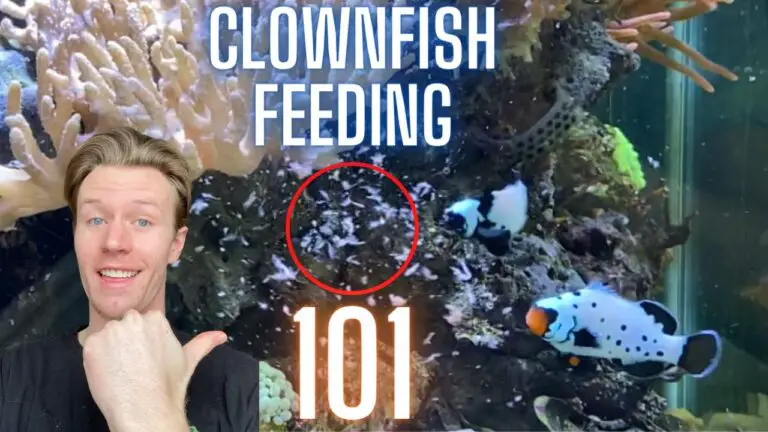
    What to Feed Clownfish?

    ByAquariumia

    Clownfish are omnivores so it is important to provide them with a diet that contains both animal and plant matter. A good option for their staple diet is flake or pellet food specifically designed for clownfish. These foods contain the correct balance of proteins, fats, and carbohydrates needed by the fish. In addition to this,…

    Read More What to Feed Clownfish?Continue

  • Ghost Shrimp Saltwater
    BLOG

    Ghost Shrimp Saltwater

    ByAquariumia

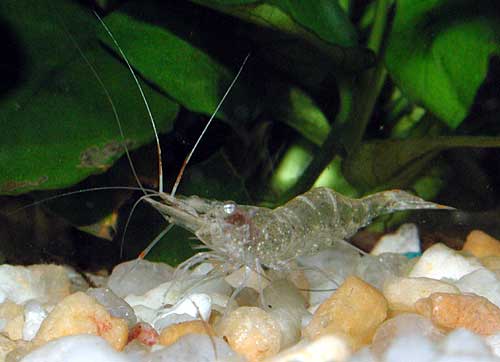
    Ghost Shrimp, also known as Glass Shrimp, are small crustaceans that are commonly found in saltwater aquariums. They have a transparent body with white or yellow dots and can reach up to 1 inch in length. Ghost shrimp feed on algae, detritus and other organic matter. They make great scavengers for any aquarium because they…

    Read More Ghost Shrimp SaltwaterContinue

  • 40 Gallon Breeder Reef Tank
    BLOG

    40 Gallon Breeder Reef Tank

    ByAquariumia

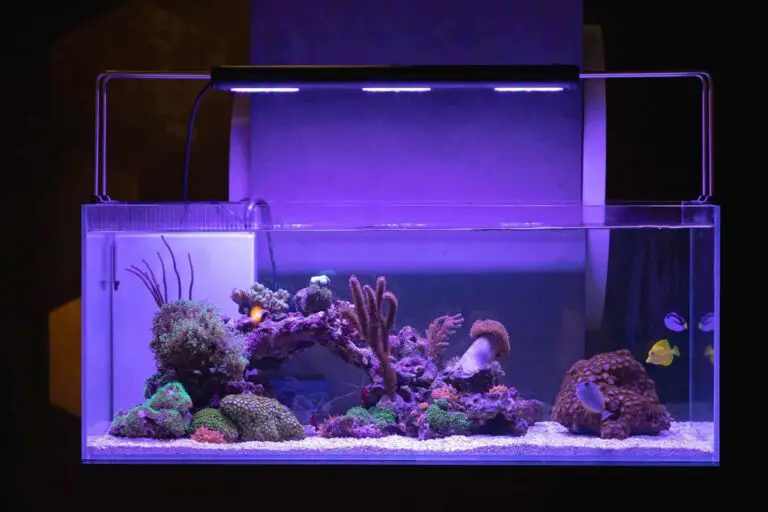
    A 40 gallon breeder reef tank is a great way to create an aquarium with plenty of room to house large fish as well as coral and other invertebrates. The wide, shallow shape of the tank will give you lots of surface area for light-loving corals that need strong lighting to thrive. Additionally, this size…

    Read More 40 Gallon Breeder Reef TankContinue

  • Tube Worms in Reef Tank
    BLOG

    Tube Worms in Reef Tank

    ByAquariumia

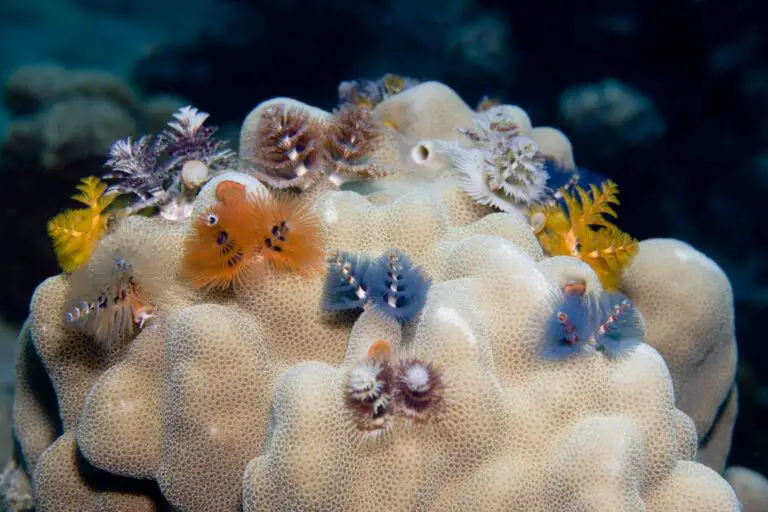
    Tube worms are a type of filter feeding invertebrate commonly found in reef tanks. These worms use their tube-shaped bodies to filter out nutrients and other organic matter from the water column, providing essential enrichment to the tank’s ecosystem. They come in various sizes, colors, and shapes, making them an attractive addition to any aquarium….

    Read More Tube Worms in Reef TankContinue

  • Are Freeze Dried Bloodworms Good for Fish?
    BLOG

    Are Freeze Dried Bloodworms Good for Fish?

    ByAquariumia

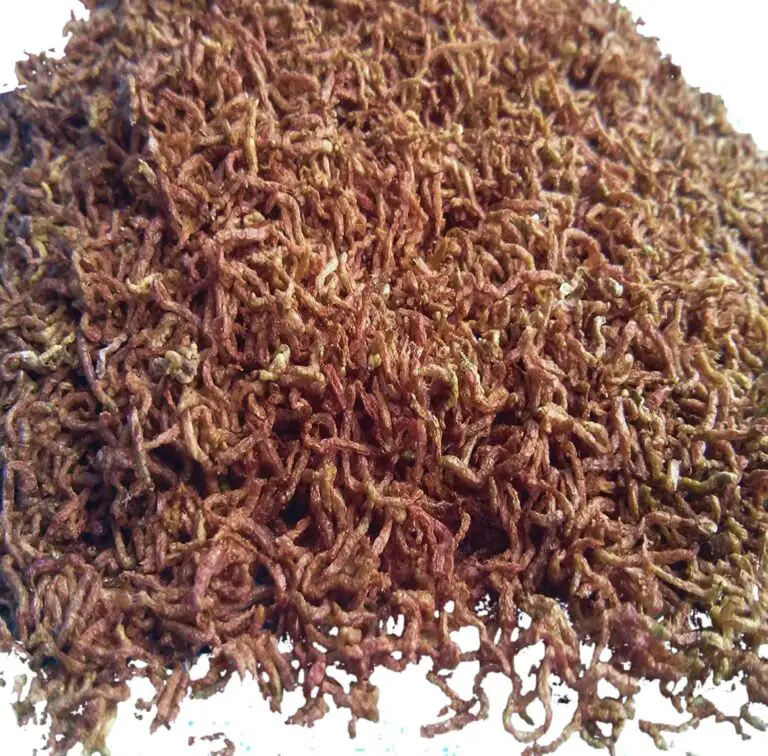
    Yes, freeze dried bloodworms are a good food source for fish. They are high in protein, low in fat and contain essential vitamins and minerals that promote healthy growth. Freeze drying removes most of the moisture from the worms while preserving their nutritional value. This makes them easy to store and also ensures they remain…

    Read More Are Freeze Dried Bloodworms Good for Fish?Continue

  • Does Salinity Increase With Temperature?
    BLOG

    Does Salinity Increase With Temperature?

    ByAquariumia

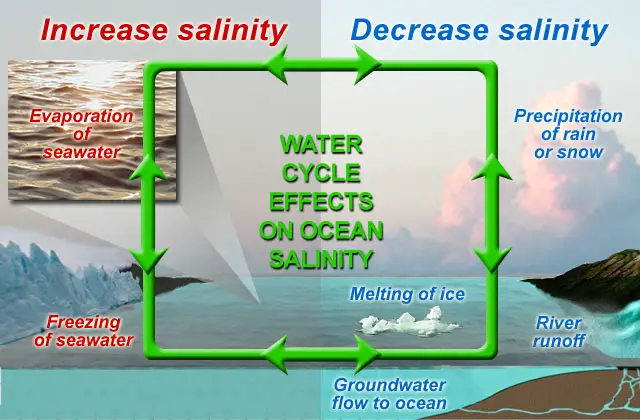
    Yes, salinity does increase with temperature. This is because as the water gets warmer, more water evaporates from the surface of oceans and other bodies of water. As the amount of water decreases due to evaporation, the salt concentration increases in a process known as “salting out” which leads to an overall higher salinity level…

    Read More Does Salinity Increase With Temperature?Continue

  • Ammonia Spike in Cycled Tank
    BLOG

    Ammonia Spike in Cycled Tank

    ByAquariumia

    A cycled tank refers to an aquarium that has been set up for some time and is stable with the water parameters. An ammonia spike in a cycled tank can occur if there are too many fish or other organisms present, resulting in an excessive amount of waste being produced. Additionally, overfeeding, adding new fish…

    Read More Ammonia Spike in Cycled TankContinue

Page navigation

Previous PagePrevious 1 … 36 37 38 39 40 … 108 Next PageNext

© 2026 Aquariumia

  • Home
  • BLOG
  • Fish Tank
  • Fish Species